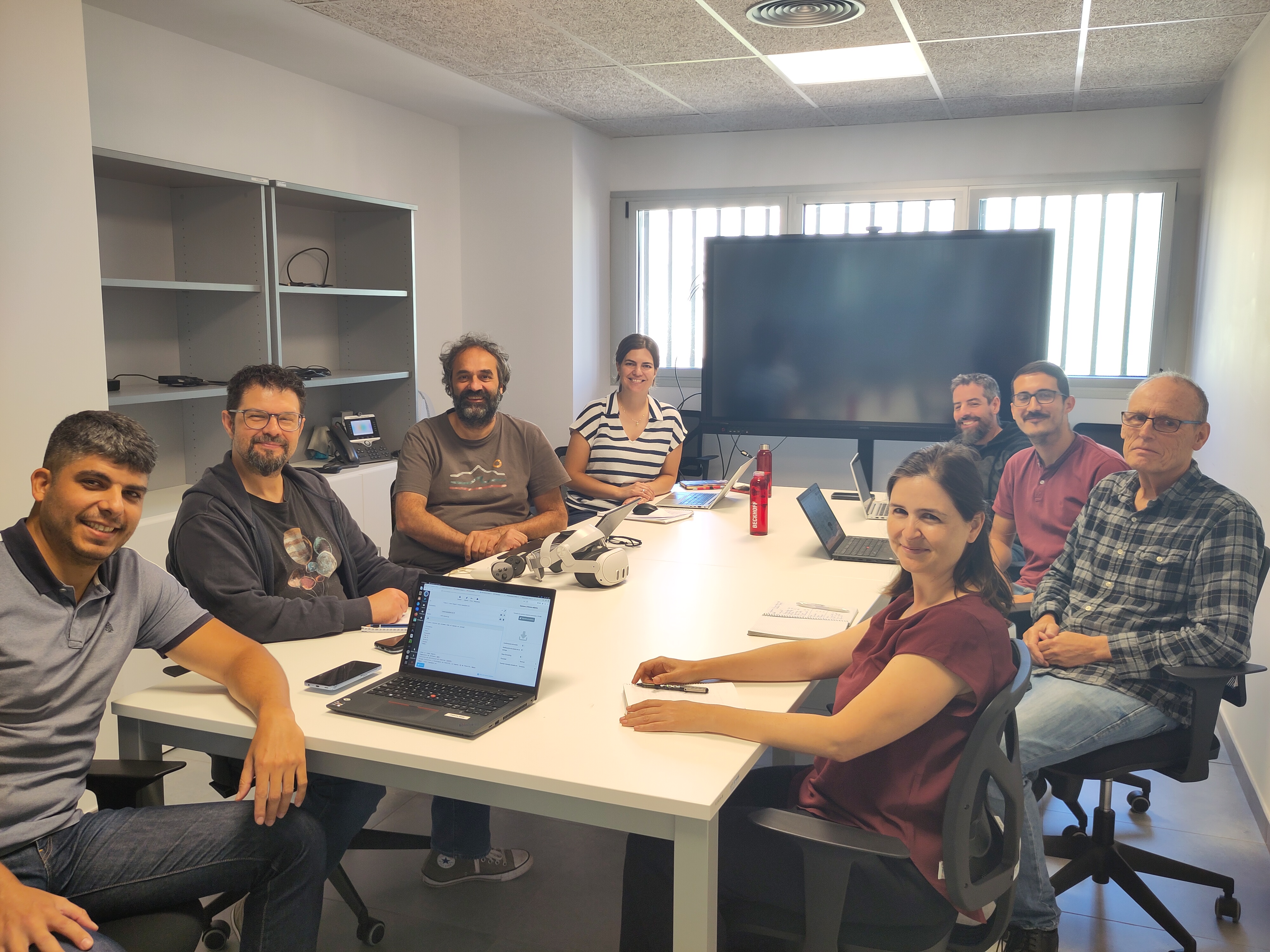
The New Robotic Telescope (NRT) project has recently welcomed several engineers to the IAC team, strengthening the areas of telescope control software, mechanical design and control electronics. Their diverse backgrounds, spanning astronomy, aerospace engineering and industry, bring valuable expertise to the development of the future world's largest robotic telescope.
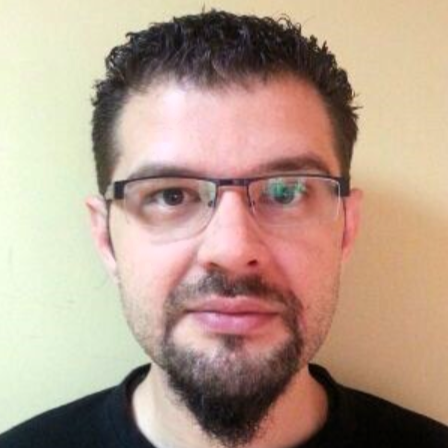
Francisco works on the design of the telescope control software. One of his main strengths is bringing order to complex and distributed systems. He previously demonstrated this ability while contributing to the upgrade of the control system for the IAC’s night-time telescopes. He has also collaborated on the communication script for the Sunrise III telescope.
Interestingly, he is not a strong advocate of homogenizing control systems. In his view, diverse systems are often better adapted to upgrades and needs.
For him, one of the biggest challenges of the NRT project is achieving a global understanding of the entire telescope architecture and ensuring that all components work together smoothly.
Besides work, he enjoys diving into the “lore” of imaginary worlds from fantasy literature.

Cesar also works on the design of the telescope control software. Unlike many members of the team, he spent most of his professional career in the private sector, particularly in renewable energy. There he designed, among other things, power control systems.
NRT represents his first collaboration in a public research project, which he describes as offering a much more friendly and collaborative working environment.
He sees clear similarities between his previous work and the challenges of NRT. Managing a power plant with multiple generators, he explains, has parallels with controlling a telescope composed of several mirrors: in both cases the key challenge lies in handling multiple degrees of freedom.
For him, NRT is an opportunity to experiment with new control technologies.
He enjoys spending time in the ocean, either scuba diving or kite surfing, whenever conditions allow.
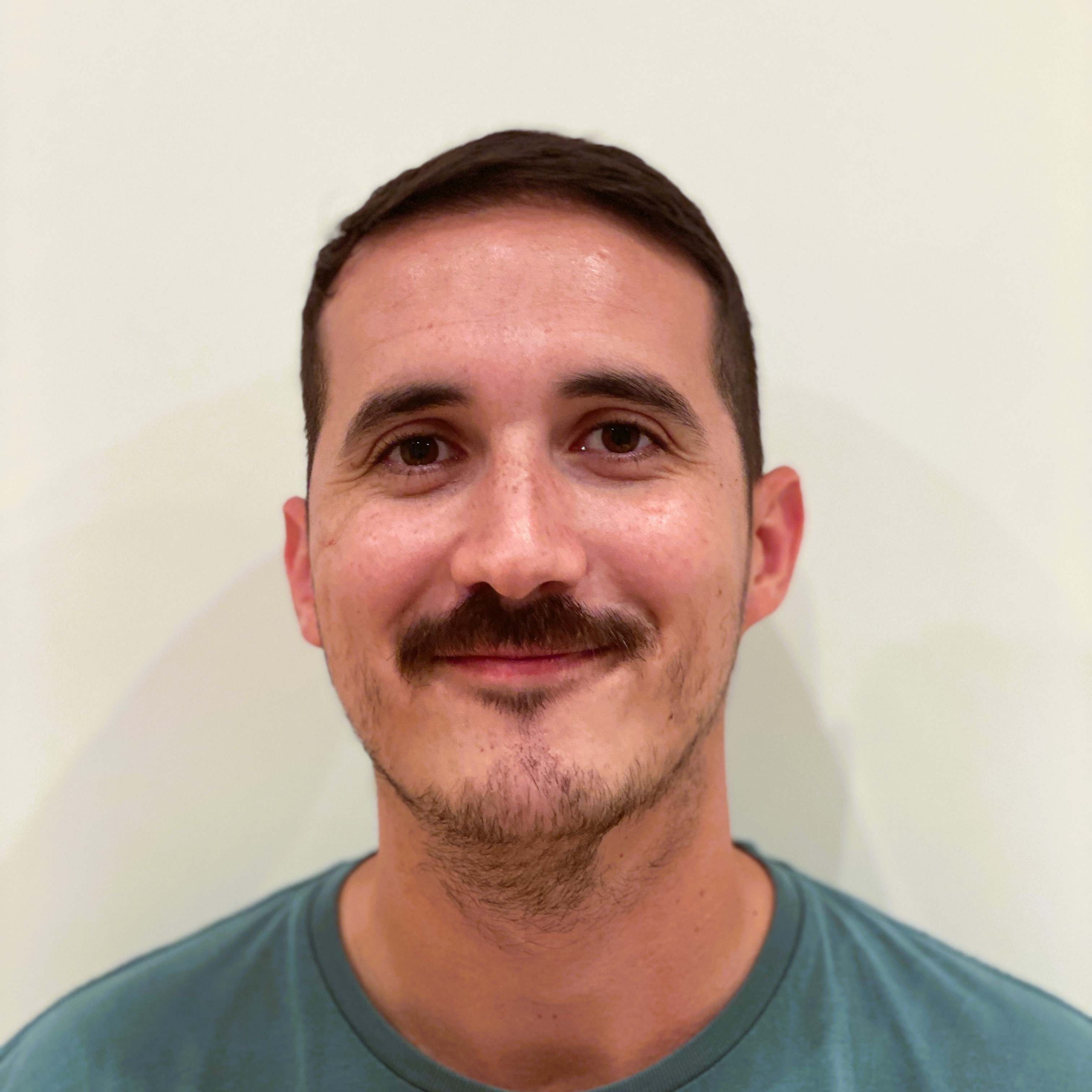
Francisco is responsible for the design and coordination of the telescope’s mechanical systems.
His connection with the IAC began early in his career during a summer internship, where he discovered his passion for astrophysics and for working at the intersection of science and engineering. He later worked as a mechanical engineer in private industry but gradually found himself drawn back toward scientific projects.
After completing a Master’s degree in Space Science and Technology, he worked at an aerospace design company before eventually returning to the IAC as an engineer working on a robotic telescope.
NRT offers him the opportunity to participate in the conceptual design of the telescope — a stage of development he particularly enjoys — while staying connected to astronomy, one of his long-standing passions.
He is also someone who never tires of learning new things. Outside work, he is a season ticket holder of Club Deportivo Tenerife and rarely misses a match.
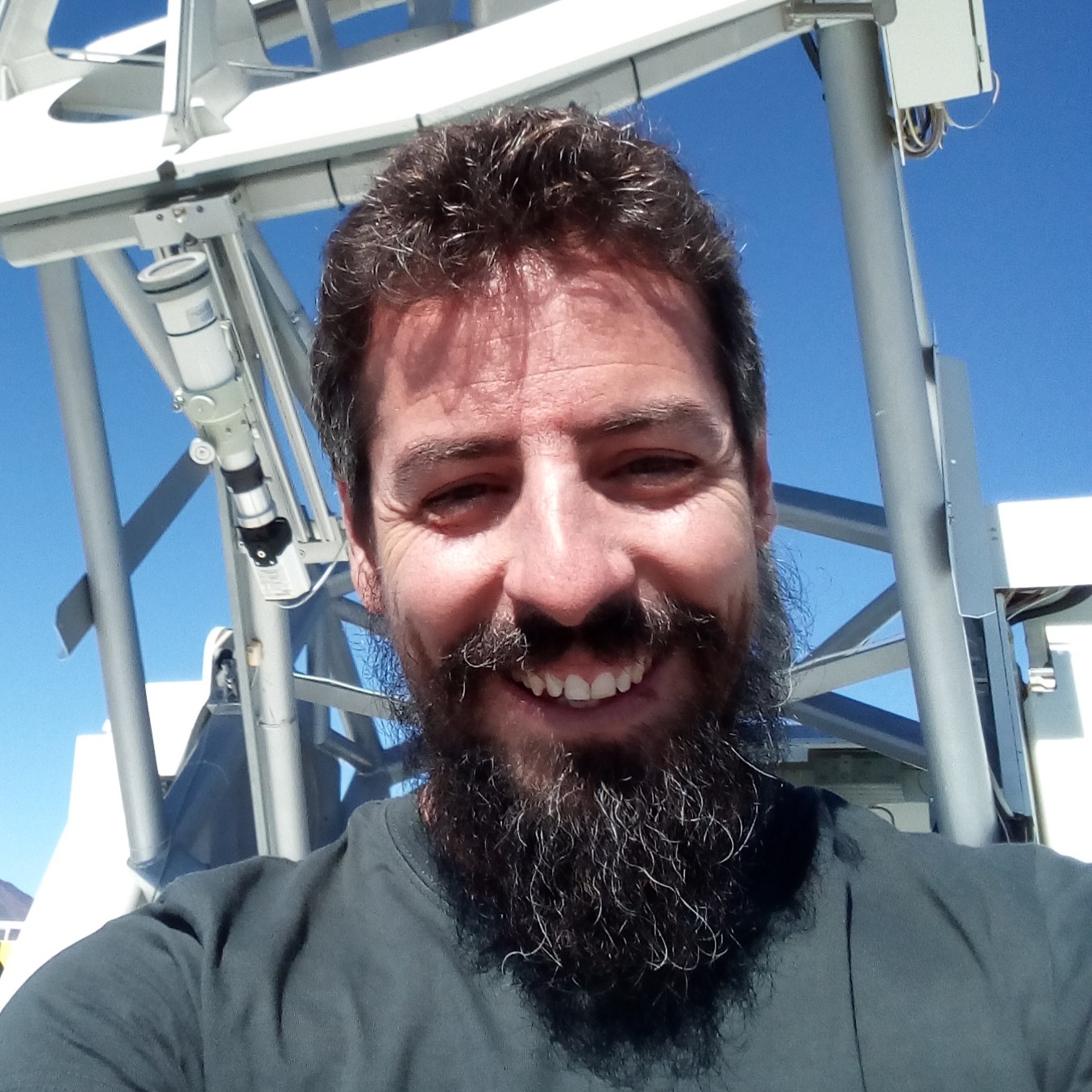
Horacio is responsible for the telescope control electronics. Although he originally came from private industry, he has now been part of the IAC team for years.
During that time he has contributed to a wide range of projects, including adaptive optics for the European Solar Telescope (EST), the characterization and upgrade of infrared detectors for EMIR and FRIDA, and the design of control electronics for HARMONI.
For him, the main challenge of NRT lies in designing a control system robust enough to operate fully autonomously. Unlike traditional telescopes, where operators or astronomers supervise operations, a robotic telescope must be able to anticipate and handle potential issues without human intervention.
Outside the lab, he enjoys nature, spending time outdoors, and following meteorology. He also has a dog named Munchito.