1st October 2024
Phase 1 overview and requesting telescope time
Last month saw the launch of our new Phase 1 system for the Liverpool Telescope. There are two calls for Liverpool Telescope proposals every year around September and February where astronomers are invited to submit their requests for telescope time.
These proposals consist of a science case (a detailed explanation of the science they wish to explore with the telescope time they are applying for) and a technical case detailing how they will take these measurements: which instrument, how much time they need, what weather conditions are required etc.
The subbmited proposals are then assessed by an independent Time Allocation Committee (TAC) and external reviewers before they are ranked and allocated telescope time.
This system will be used for NRT when the telescope is operational but the team hoped to use this new system for Liverpool Telescope users in the meantime to replace the existing paper/email based process. The previous system required users to use a form that could be turned into a .pdf document and emailed back before the proposal period close date.
SODC structure and development
The Phase 1 system and the following step (Phase 2) are part of the wider Science, Operations, Data Centre (SODC) for NRT. The SODC is a major part of the overall NRT software stack and is the online platform which the telescope users and operations staff will interact with. In fact, the user facing website (that this news item appears on!) is part of the SODC. It is a cloud-based system designed to be intuitive and user-friendly, but also scalable so it can handle periods of high demand.
The user-facing parts of the website (often refered to as the 'front-end') makes use of Blade files, a templating engine provided by the Laravel framework. Blade files enable us to write concise and expressive HTML code while seamlessly integrating dynamic content generated by our back-end services. This allows for the creation of dynamic web pages that adapt to user interactions and display real-time updates from our live data feeds. Additionally, Blade’s powerful features, such as template inheritance and control structures, enhance code reusability and maintainability, streamlining the front-end development process.
Phase 1 process and key elements
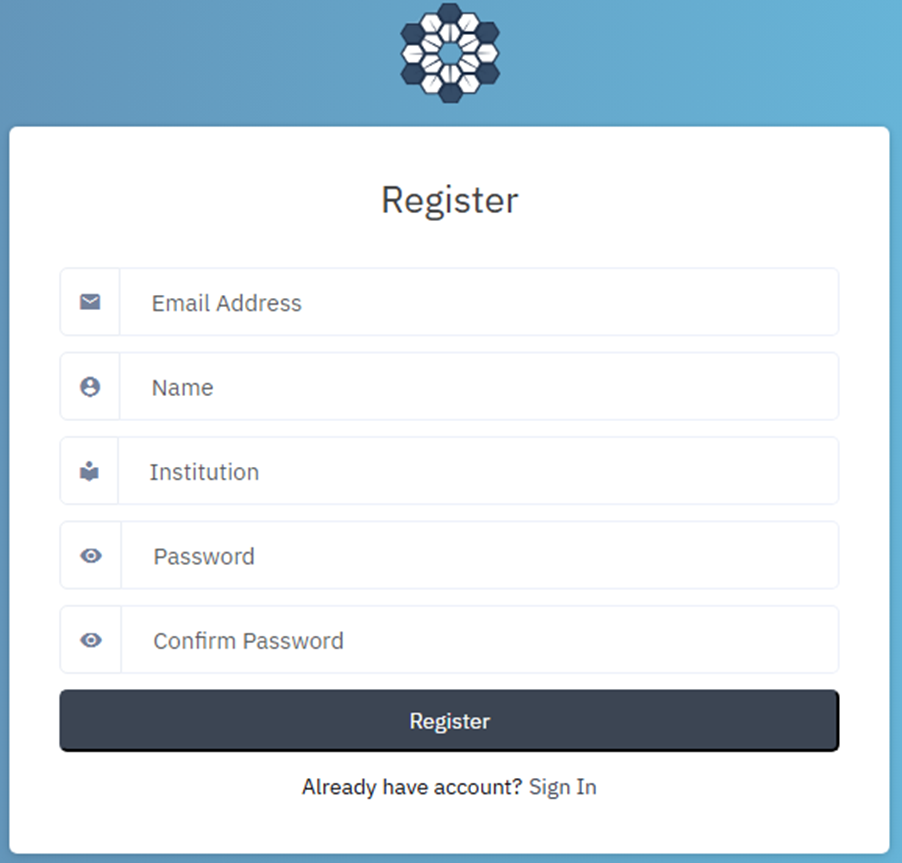
Users wishing to request telescope time will first create a user account. This allows them to use the online proposal form to detail their science case, technical case and provide a whole range of supporting information.
NRT SODC user acocunt creation popup
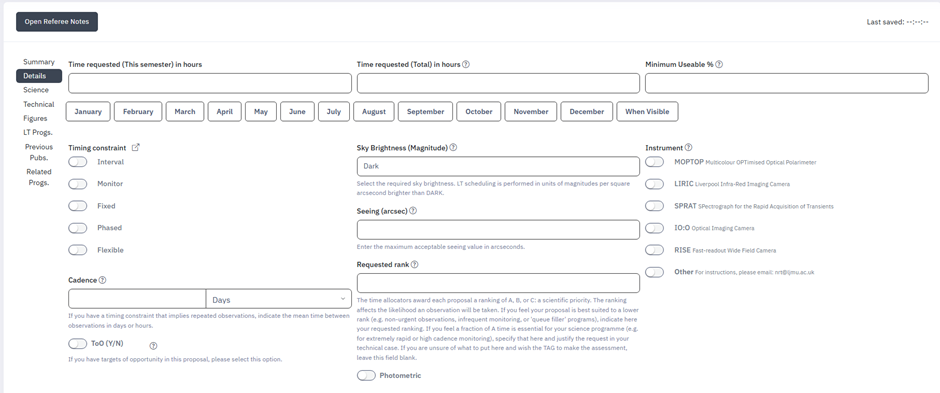
The Phase 1 form includes eight sections (listed in the image on the left hand side) which the user is required to fill in with the details of their telescope time proposal; the form auto-saves as they navigate through. The 'details' page allows the user to cover the technical details of the observation which covers the desired timing and conditions for observing including the required instruments to observe with.
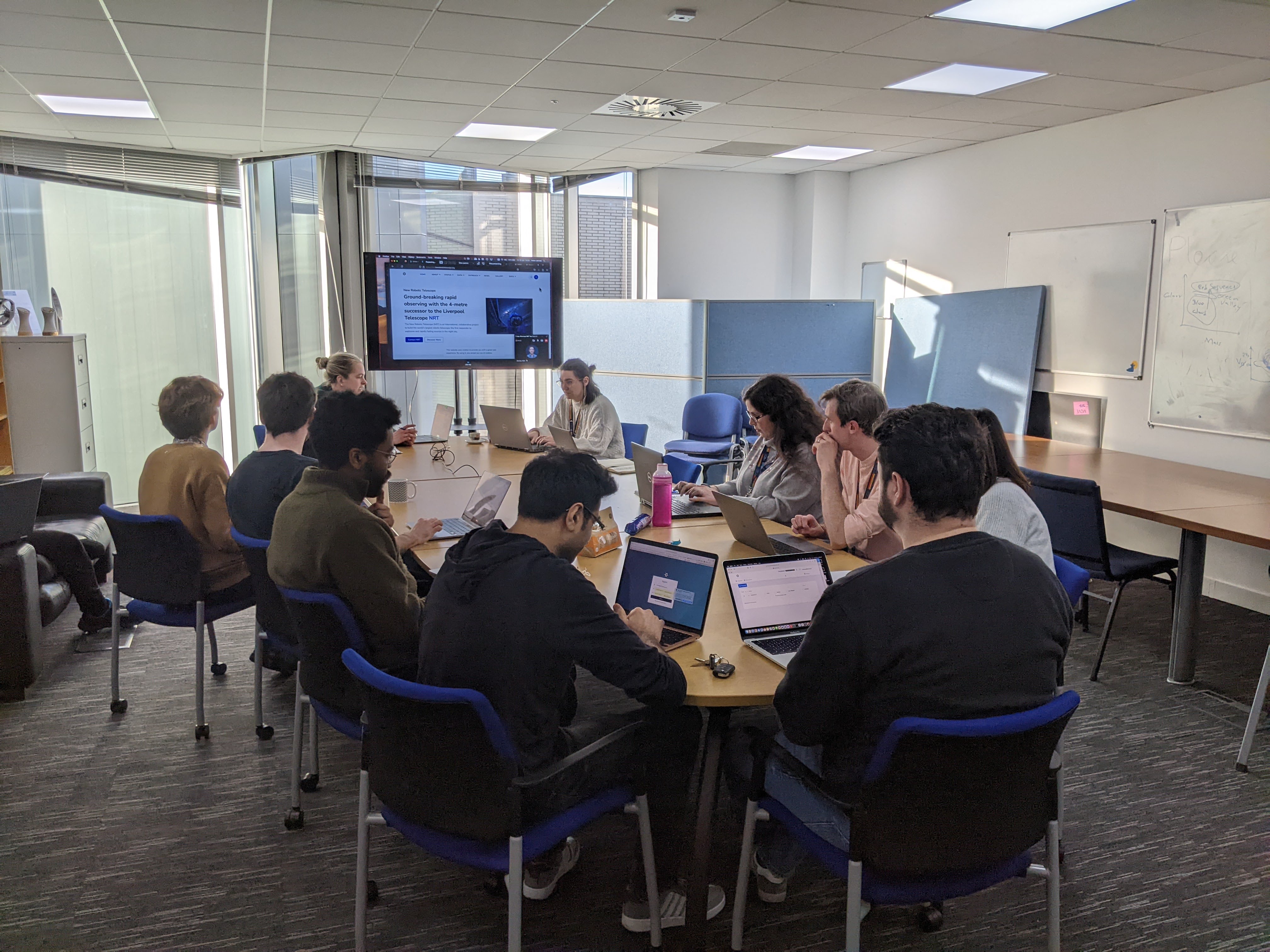
A great deal of internal testing was done prior to this release. Many of the Liverpool Telescope users are staff and students at the LJMU Astrophysics Research Institute so the NRT team set up multiple test sessions for the internal users to try out early releases of the software. This feedback has been very useful in making the user interface as intuative as possible and catching bugs not found by the developers.
SODC Phase 1 - Internal user test session on early software release
With this first release of the Phase 1 process, the NRT team hope to gather further user feedback and catch any bugs which can hopefully be fixed by the next call period. This approach allows the NRT team to take an iterative approach to new features, including potential update to the existing Phase 2 system which actually allows users to setup their observation once approved.
News item update: Details of the SODC development can be found here https://doi.org/10.1117/12.3019001